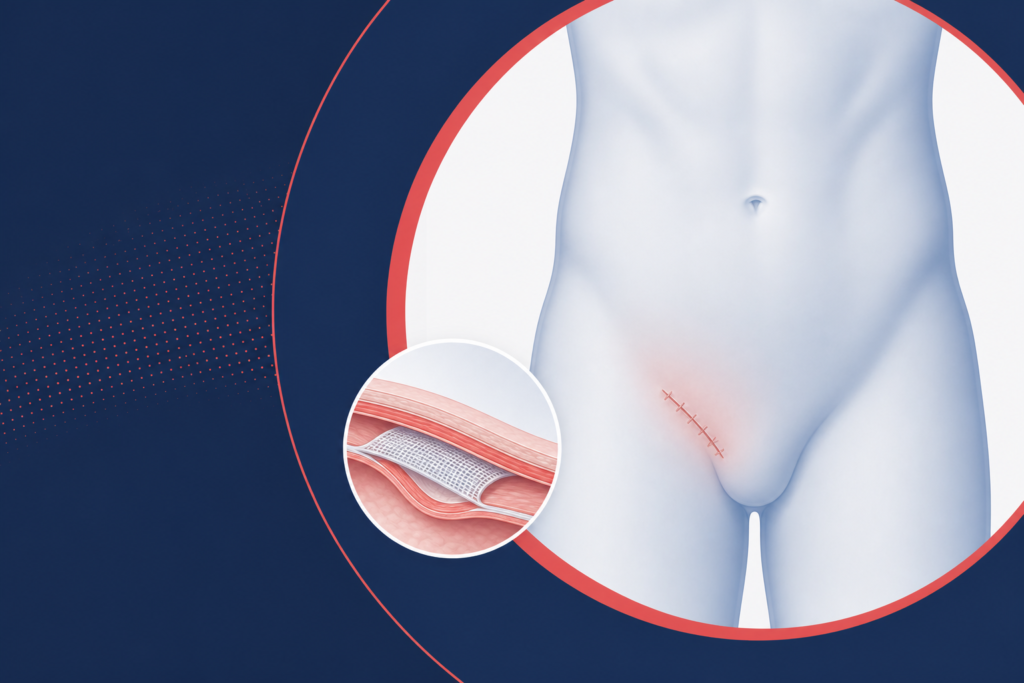
Inguinal hernia surgery recovery typically involves several weeks of gradual healing, with most patients returning to normal activities within 4-6 weeks following the procedure. Understanding what to expect during this recovery period can help patients prepare effectively and recognise normal healing progress.
Mr Thomas Satyadas, a consultant physician serving patients across Manchester and Cheshire, provides comprehensive care for patients undergoing inguinal hernia repair. His expertise helps patients navigate the recovery process with confidence and appropriate support throughout their healing journey.
What happens immediately after inguinal hernia surgery?
The first 24-48 hours following inguinal hernia surgery are crucial for establishing a foundation for successful recovery. Most patients can expect to experience some discomfort and specific care requirements during this initial period.
Immediately after surgery, patients typically spend several hours in recovery before being discharged home the same day. Pain levels vary between individuals, but most people describe the discomfort as manageable with prescribed pain medication. The surgical site may feel tender, and some swelling around the incision area is completely normal.
During the first two days, patients should focus on rest while maintaining gentle movement. Short walks around the house are encouraged to promote circulation and prevent blood clots. However, lifting anything heavier than a kettle should be avoided during this early recovery phase.
How long does inguinal hernia surgery recovery take?
The timeline for inguinal hernia surgery recovery varies depending on the surgical technique used and individual healing factors. Understanding these phases helps patients set realistic expectations for their return to normal activities.
Week 1-2: Initial healing phase
During the first two weeks, the primary focus remains on allowing the surgical site to begin healing properly. Most patients experience gradual improvement in pain levels and can slowly increase their daily activities.
- Pain typically peaks within the first 48 hours before gradually decreasing
- Light household activities can usually be resumed by day 3-5
- Driving may be possible after one week if pain medication is no longer needed
- Shower carefully, keeping the incision site clean and dry
- Avoid lifting objects heavier than 5kg
Week 3-4: Progressive recovery
By the third week, many patients notice significant improvements in comfort levels and mobility. The surgical site continues to strengthen, allowing for increased activity levels under appropriate guidance.
- Return to desk-based work is often possible
- Light exercise such as walking becomes more comfortable
- Lifting restrictions may be gradually relaxed
- Follow-up appointments typically occur during this period
Week 5-6: Near-normal activity
Most patients can expect to return to their normal routine by 4-6 weeks post-surgery. However, full healing of the mesh and surrounding tissues continues for several months following the procedure.
What are the common experiences during inguinal hernia surgery recovery?
Understanding typical recovery experiences helps patients distinguish between normal healing processes and situations that may require medical attention. Each person’s recovery journey is unique, but certain patterns are commonly observed.
Pain management represents one of the most significant concerns for patients during inguinal hernia surgery recovery. Most people find that prescribed pain medication effectively controls discomfort during the first week. The pain typically transitions from sharp, surgical discomfort to a duller ache as healing progresses.
Swelling and bruising around the surgical site are normal parts of the healing process. Some patients notice discolouration extending toward the groin or upper thigh, which usually resolves within 2-3 weeks. Gentle ice application during the first 48 hours can help manage swelling.
Fatigue is another common experience during inguinal hernia surgery recovery. The body’s energy is directed toward healing, which can leave patients feeling more tired than usual for several weeks. Adequate rest and gradual activity increases support the recovery process.
When should patients contact their healthcare provider during recovery?
While most inguinal hernia surgery recovery proceeds smoothly, certain symptoms warrant immediate medical attention. Patients should be aware of warning signs that indicate potential complications requiring prompt evaluation.
Signs that require urgent medical care include:
- Severe, worsening pain that doesn't respond to prescribed medication
- Signs of infection such as increasing redness, warmth, or discharge from the incision
- Fever above 38°C (100.4°F)
- Persistent nausea or vomiting
- Difficulty urinating or complete inability to pass urine
- Sudden swelling or a bulge appearing at the surgical site
Less urgent concerns that should be discussed with the healthcare team include persistent numbness around the incision, ongoing discomfort after 6 weeks, or questions about activity restrictions during inguinal hernia surgery recovery.
How can patients optimise their inguinal hernia surgery recovery?
Several strategies can support optimal healing and help patients achieve the best possible outcomes from their inguinal hernia repair. Following these guidelines may help reduce complications and promote faster recovery.
Proper wound care plays a crucial role in preventing infection and promoting healing. Keep the incision clean and dry, following specific instructions provided by the surgical team. Avoid soaking in baths or swimming until the wound has fully healed and medical clearance is given.
Gradual activity progression supports both physical and psychological recovery. Start with short walks and light household tasks, gradually increasing intensity as comfort allows. Listen to your body and avoid pushing through significant pain during activities.
Nutrition and hydration support the body’s healing processes during inguinal hernia surgery recovery. Focus on a balanced diet rich in protein, vitamins, and minerals. Adequate fluid intake helps prevent constipation, which can strain the surgical site.
Managing expectations and maintaining realistic goals throughout the recovery period helps reduce anxiety and promotes better outcomes. Remember that healing is a gradual process, and full recovery may take several months even when initial symptoms resolve quickly.
To discuss your individual recovery expectations and receive personalised guidance for inguinal hernia surgery recovery, book a consultation with Mr Thomas Satyadas. His expertise in managing post-surgical care can help ensure your recovery proceeds as smoothly as possible.