

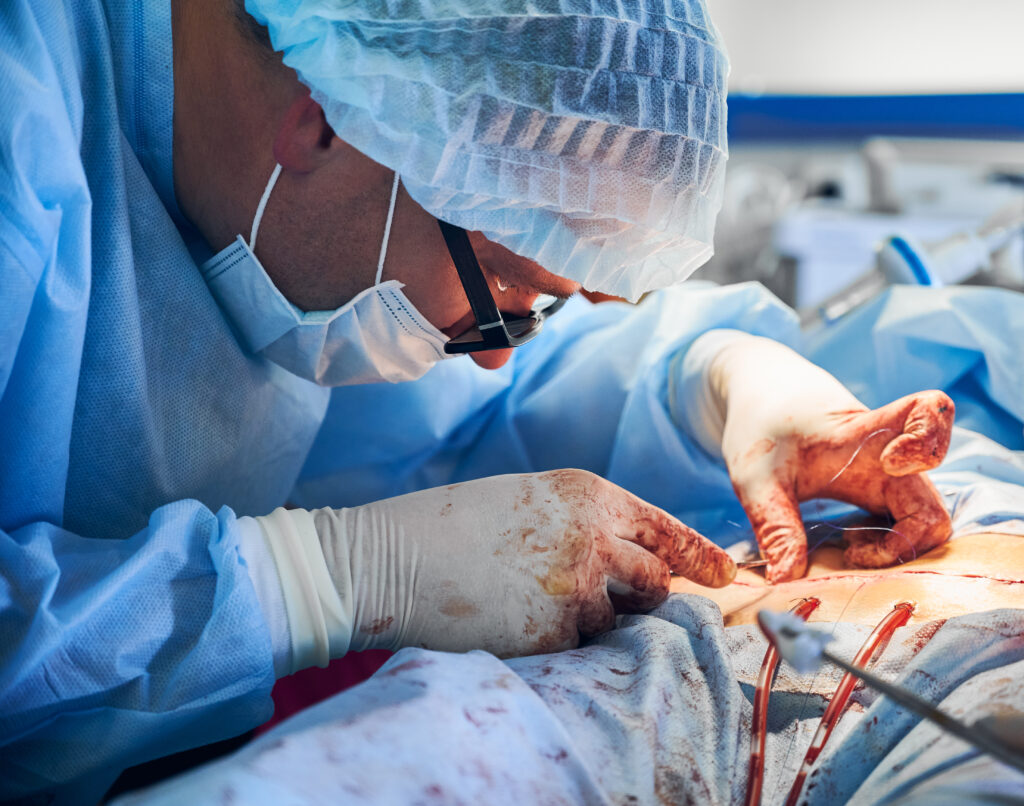
Mr Thomas Satyadas is a leading consultant surgeon with specialist expertise in robotic and advanced laparoscopic surgery for complex conditions of the pancreas. For patients across Manchester and Cheshire, he provides a highly specialised, patient-centric approach to major pancreatic surgery, grounded in a philosophy of safety, precision, and personalised care.
Surgery on the pancreas is among the most demanding and complex in modern medicine. Mr Satyadas is at the forefront of using the robotic surgical platform for these procedures. This advanced technology provides the surgeon with a high-definition, 3D-magnified view and instruments with a greater range of motion than the human hand, allowing for incredibly precise surgery around the pancreas and its delicate surrounding structures.
The Whipple Procedure (Pancreaticoduodenectomy)
The Whipple procedure is a major operation most commonly performed to treat cancers in the head of the pancreas. It is a highly complex procedure that requires a specialist surgeon with extensive experience in pancreatic surgery.
What Does the Operation Involve?
The operation involves the removal of the head of the pancreas, the first part of the small intestine (duodenum), the gallbladder, and the bile duct. After these organs are removed, the remaining pancreas, bile duct, and stomach are carefully reconnected to the small intestine to restore the digestive tract, allowing you to eat and digest food normally.
Deciding on the Right Surgical Approach: Open vs. Robotic
While Mr Satyadas has extensive expertise in robotic surgery, the decision to perform a Whipple procedure via a traditional open incision or a robotic-assisted minimally invasive approach is a critical one. It is a clear example of shared decision-making, where the risks and benefits of each method are discussed thoroughly to select the right operation for the right patient.
The final decision depends on a comprehensive evaluation of several factors:
✓ Tumour Characteristics: The size and location of the tumour are critical. Most importantly, its relationship with the major blood vessels that run behind the pancreas is a key determinant. Some tumours may be too involved with these vessels to be safely removed with a robotic approach.
✓ Patient Factors: A patient’s overall health, fitness for a major operation, previous surgical history, and individual anatomy all play a significant role in determining the safest and most effective surgical method.
Your Surgical Journey: A Comprehensive and Supported Pathway
Undergoing a major operation like a Whipple procedure requires careful preparation and a robust support system. Your entire journey is managed within a structured, multidisciplinary framework to ensure the best possible outcome.
MDT Discussion and Prehabilitation
All complex pancreatic cancer cases are discussed in a Multi-Disciplinary Team (MDT) meeting. Here, a group of experts, including surgeons, oncologists, radiologists, and specialist nurses, collaborate to formulate the best treatment plan for you.
Once a decision for surgery is made, you will begin a prehabilitation programme. This is a crucial phase focused on optimising your health before the operation. It includes personalised guidance on:
✓ Nutrition: Ensuring you are well-nourished to support healing.
✓ Exercise: Improving your physical fitness and strength to help your body cope with the stress of surgery.
✓ Wellbeing: Providing psychological support to prepare you for the journey ahead.
The Post-Operative Pathway: Enhanced Recovery (ERAS)
Following your surgery, your care is managed using an Enhanced Recovery After Surgery (ERAS) pathway. This is a modern, evidence-based approach designed to minimise the physiological stress of surgery and accelerate your recovery. Key elements include advanced pain management techniques, early mobilisation (getting you up and moving), and a carefully managed return to eating and drinking.
Your recovery is supported by a dedicated multidisciplinary team, including specialist nurses, physiotherapists, dietitians, and pain management experts. After a Whipple procedure, a period of close monitoring in a high-dependency (HDU) or intensive care (ITU) unit is standard practice to ensure your safety. This team works together to provide comprehensive, coordinated care throughout your hospital stay and beyond.