
Mr Thomas Satyadas is a leading consultant surgeon with specialist expertise in robotic and advanced laparoscopic surgery for complex conditions affecting the liver. For patients across Manchester and Cheshire, he provides a highly specialised, patient-centric approach to liver surgery, grounded in a philosophy of safety, precision, and personalised care.
His extensive experience in both traditional open and minimally invasive techniques allows for a balanced and considered approach. This ensures that every patient is offered the most appropriate and effective treatment for their specific condition, reflecting a deep commitment to achieving the best possible outcomes.
Mr. Satyadas’s Approach to Liver Surgery
Mr. Satyadas’s philosophy is centred on delivering the highest standard of surgical care through a combination of technical excellence, collaborative decision-making, and comprehensive patient support.
At the heart of this is the principle of shared decision-making. The journey begins with a thorough evaluation and an open discussion about all suitable treatment options. The goal is to select the right operation for the right patient, a decision that is made collaboratively to align with your specific clinical needs and personal circumstances.
For all complex cases, treatment plans are formulated following a Multi-Disciplinary Team (MDT) discussion. This brings together a group of experts—including surgeons, oncologists, radiologists, and specialist nurses—to ensure that every aspect of your care is considered and you receive a truly holistic and expert-led recommendation.
What is Robotic Liver Surgery?
Robotic liver surgery, or robotic liver resection, is an advanced minimally invasive procedure to remove a portion of the liver. It is performed using a sophisticated robotic platform that the surgeon controls from a specialised console.
This technology provides a high-definition, 3D-magnified view of the surgical area and uses miniaturised instruments that have a greater range of motion than the human hand. This allows for incredibly precise dissection and meticulous control when working around the liver’s intricate network of blood vessels and bile ducts.
Is Robotic Liver Surgery the Right Choice for You?
The decision to perform a liver resection via a traditional open incision or a robotic-assisted approach depends on a careful assessment of several factors:
✓ The Nature of the Tumour: The size, location, and number of tumours are critical. The relationship of the tumour to major blood vessels and bile ducts will heavily influence the safest surgical approach.
✓ Patient Factors: Your overall health, fitness for surgery, and any previous abdominal operations are important considerations.
Robotic surgery is often considered for the treatment of:
✓ Primary Liver Cancer (e.g., Hepatocellular Carcinoma – HCC)
✓ Secondary (Metastatic) Liver Cancer (e.g., from bowel cancer)
✓ Benign Liver Tumours or Cysts that are causing symptoms or have concerning features
Your Surgical Journey: A Comprehensive and Supported Pathway
Undergoing major liver surgery requires careful preparation and a robust support system. Your entire journey is managed within a structured, multidisciplinary framework.
Prehabilitation
Once a decision for surgery is made, you will begin a prehabilitation programme. This crucial phase focuses on optimising your health before the operation through personalised guidance on nutrition, physical fitness, and psychological wellbeing to ensure you are in the best possible condition for surgery.
The Post-Operative Pathway: Enhanced Recovery (ERAS)
Following your surgery, your care is managed using an Enhanced Recovery After Surgery (ERAS) pathway. This is a modern, evidence-based approach designed to minimise the physiological stress of surgery and accelerate your recovery. It involves advanced pain management, early mobilisation, and a carefully managed return to normal activities.
Multidisciplinary Recovery
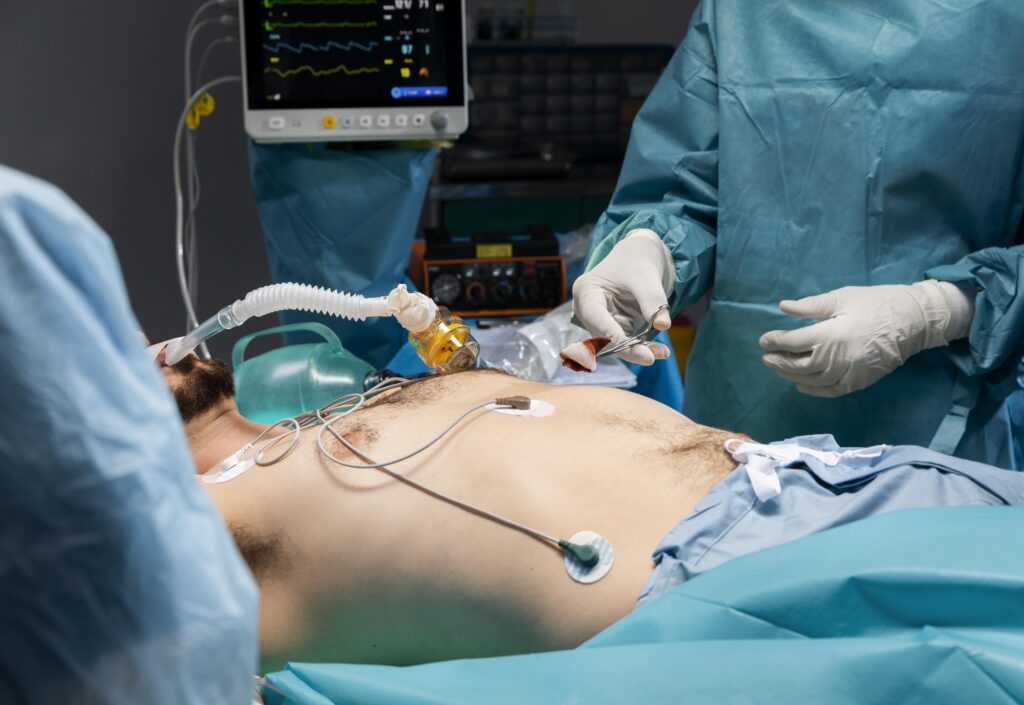
Your recovery is supported by a dedicated multidisciplinary team, including specialist nurses, physiotherapists, and dietitians. After major liver surgery, a period of close monitoring in a high-dependency (HDU) or intensive care (ITU) unit is standard practice to ensure your safety.
This team works together to provide comprehensive, coordinated care throughout your hospital stay. Long-term follow-up is arranged to monitor your recovery and the regeneration of your liver, reflecting a deep commitment to your long-term health.