Learning how to sleep after gallbladder surgery is essential for proper healing and comfort during your recovery period. The right sleeping position and techniques can significantly reduce pain and help you get the restorative sleep your body needs to heal effectively.
Mr Thomas Satyadas, a consultant physician serving patients in Manchester and Cheshire, understands the importance of proper post-surgical care and recovery guidance for patients undergoing gallbladder procedures.
Why Does Sleep Position Matter After Gallbladder Surgery?
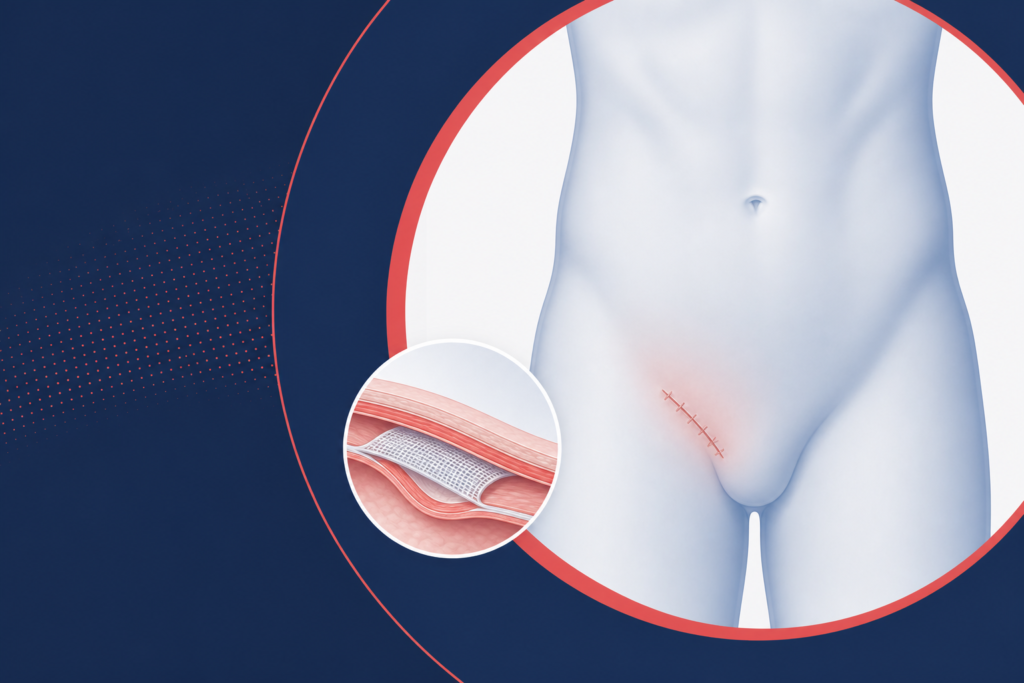
Your sleeping position directly affects your comfort and healing process following gallbladder surgery. The procedure involves small incisions in your abdomen, and certain positions can put unnecessary pressure on these healing areas, causing discomfort and potentially disrupting your sleep.
Proper positioning helps reduce strain on your abdominal muscles, minimises pain, and promotes better circulation to aid the healing process. Understanding how to sleep after gallbladder surgery can make a significant difference in your recovery experience.
What Are the Best Sleeping Positions After Gallbladder Surgery?
The most comfortable and beneficial sleeping positions following your procedure include several options that protect your healing incisions whilst providing adequate support.
Sleeping on Your Back
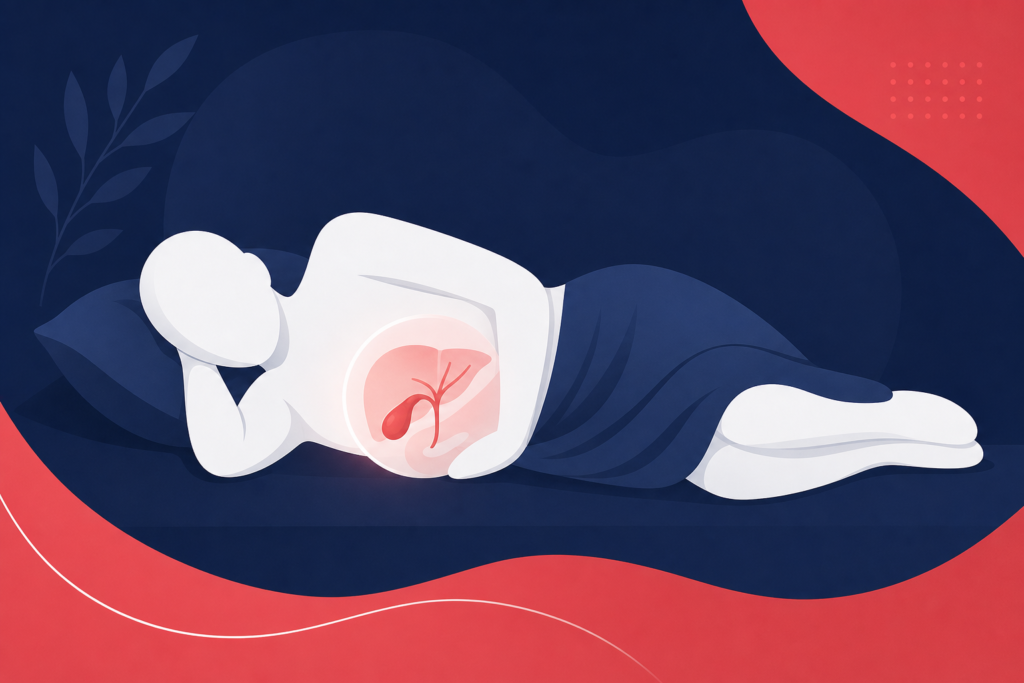
Sleeping on your back is often the most comfortable position immediately after gallbladder surgery. This position:
- Reduces pressure on your abdominal incisions
- Allows for even weight distribution
- Minimises strain on healing tissues
- Helps maintain proper spinal alignment
Place a pillow under your knees to reduce lower back strain and consider using a small pillow or rolled towel under your lower back for additional support.
Side Sleeping Considerations
If you prefer side sleeping, it’s generally recommended to sleep on your left side, as this position is typically more comfortable and puts less pressure on the surgical area. When side sleeping:
- Place a pillow between your knees for hip alignment
- Use a body pillow for additional support
- Avoid sleeping on your right side initially, as this may cause discomfort near the surgical site
- Ensure your head and neck are properly supported
How Can You Create a Comfortable Sleep Environment?
Establishing the right sleep environment is crucial for quality rest during your recovery. Your bedroom setup can significantly impact how well you sleep after gallbladder surgery.
Pillow Support Strategy
Strategic pillow placement can dramatically improve your comfort levels:
- Use multiple pillows to elevate your upper body slightly
- Place pillows around your body to prevent rolling onto uncomfortable positions
- Consider a wedge pillow for consistent elevation
- Keep extra pillows nearby for position adjustments during the night
Bedroom Environment
Creating an optimal sleep environment supports better rest and recovery:
- Maintain a cool, comfortable room temperature
- Ensure your bedroom is dark and quiet
- Keep necessary items within easy reach
- Consider using blackout curtains or an eye mask
What Should You Avoid When Sleeping After Surgery?
Certain sleeping positions and habits can hinder your recovery and increase discomfort. Understanding what to avoid is just as important as knowing the best practices for how to sleep after gallbladder surgery.
Positions to Avoid
Several sleeping positions should be avoided during your initial recovery period:
- Sleeping on your stomach, which puts direct pressure on incisions
- Sleeping in a completely flat position without any elevation
- Twisting or contorting your body during sleep
- Sleeping in chairs or recliners for extended periods
Activities Before Bedtime
Certain pre-sleep activities can interfere with your comfort and healing:
- Avoid large meals close to bedtime
- Limit fluid intake before sleep to reduce nighttime bathroom trips
- Avoid strenuous activities that might increase pain
- Don't skip prescribed pain medication if needed for sleep
When Should Sleep Improve After Gallbladder Surgery?
Most patients find that their sleep quality gradually improves over the first few weeks following surgery. Understanding the typical recovery timeline can help set realistic expectations for your sleep patterns.
During the first week, sleep may be challenging due to pain and discomfort. By the second week, many patients notice significant improvement in their ability to sleep comfortably. Full sleep normalisation typically occurs within 2-4 weeks, depending on individual healing rates and adherence to proper sleep positioning.
How Can You Manage Pain for Better Sleep?
Effective pain management is essential for quality sleep during recovery. Working with your healthcare team to develop an appropriate pain management strategy can significantly improve your sleep quality.
Take prescribed pain medications as directed, particularly before bedtime if recommended by your clinician. Apply ice packs to reduce swelling and discomfort, but always follow your surgeon’s guidelines. Gentle breathing exercises and relaxation techniques can also help manage discomfort and promote better sleep.
When Should You Contact Your Healthcare Provider?
While some discomfort during sleep is normal after gallbladder surgery, certain symptoms warrant immediate medical attention. Contact your healthcare provider if you experience severe pain that prevents sleep, signs of infection at the surgical site, persistent nausea or vomiting, or fever.
Additionally, if you’re unable to find any comfortable sleeping position after several days, or if your sleep quality doesn’t improve after the first week, discuss these concerns with your medical team.
Conclusion
Learning how to sleep after gallbladder surgery is an important aspect of your recovery process. By following proper positioning techniques, creating a comfortable sleep environment, and working with your healthcare team to manage any discomfort, you can promote better healing and improve your overall recovery experience.
To discuss your post-surgical recovery plan or address any concerns about sleeping after gallbladder surgery, book a consultation with Mr Thomas Satyadas for personalised guidance tailored to your specific needs.