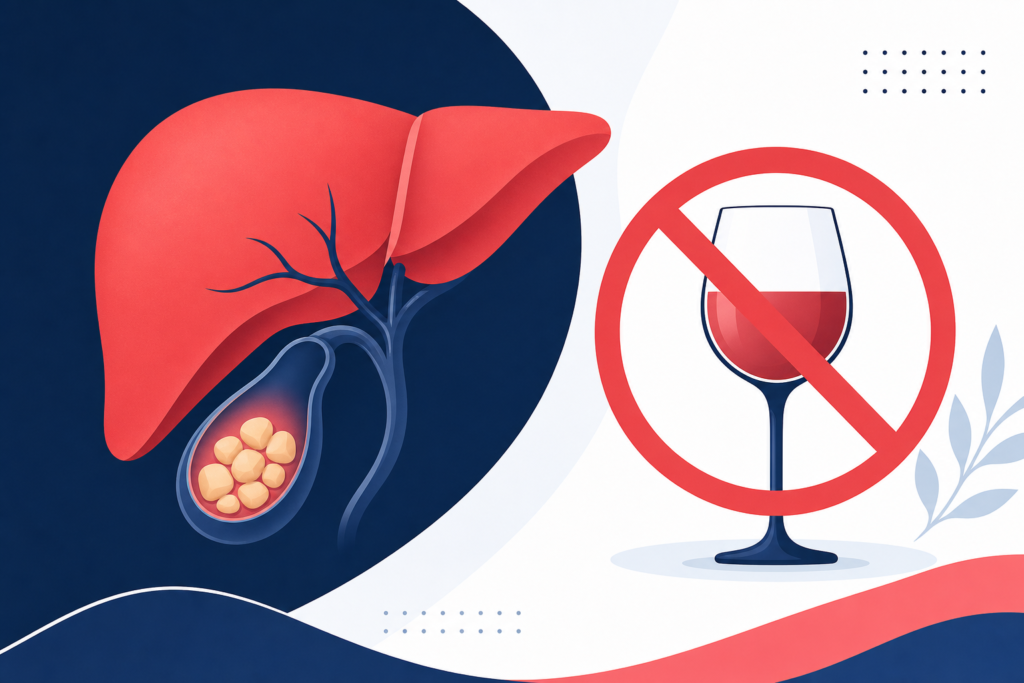
Does alcohol make gallbladder pain worse? Yes, alcohol consumption can significantly worsen gallbladder pain and may trigger painful episodes in people with existing gallbladder conditions. Alcohol affects the gallbladder’s ability to function properly and can increase inflammation in the digestive system.
Mr Thomas Satyadas, a physician serving patients across Manchester and Cheshire, regularly advises patients about the relationship between alcohol consumption and gallbladder health. Understanding how alcohol affects your gallbladder can help you make informed decisions about managing your symptoms and overall digestive health.
How Does Alcohol Affect Gallbladder Function?
Alcohol impacts the gallbladder through several mechanisms that can worsen existing pain and inflammation. When you consume alcohol, it affects the normal digestive process and can interfere with bile production and flow.
The gallbladder stores bile produced by the liver, which helps digest fats. Alcohol consumption can cause the gallbladder to contract more forcefully or irregularly, potentially leading to increased pain if gallstones or inflammation are present. Additionally, alcohol can increase the production of cholesterol in bile, which may contribute to gallstone formation over time.
Direct Effects on Bile Composition
Alcohol alters the chemical composition of bile, making it more concentrated and potentially more likely to form stones. This change in bile composition can make existing gallbladder conditions more symptomatic and painful.
Inflammatory Response
Regular alcohol consumption can increase inflammation throughout the digestive system, including the gallbladder. This inflammatory response may worsen pain and discomfort in people with gallbladder disease.
Why Does Alcohol Make Gallbladder Pain Worse?
Several factors explain why alcohol consumption can intensify gallbladder pain and trigger uncomfortable episodes.
- Increased gallbladder contractions that can cause pain when stones are present
- Enhanced inflammation of the gallbladder wall
- Altered bile flow that may worsen blockages
- Dehydration effects that can concentrate bile
- Interference with normal digestive processes
The severity of pain increase often depends on the amount of alcohol consumed, the frequency of consumption, and the underlying gallbladder condition. Even moderate alcohol intake can trigger symptoms in sensitive individuals.
What Types of Alcohol Are Most Problematic?
While all types of alcohol can potentially worsen gallbladder pain, some may be more problematic than others. High-alcohol content beverages and drinks consumed in large quantities pose the greatest risk.
Beer and wine, while lower in alcohol content, can still trigger symptoms, particularly when consumed in larger volumes. Mixed drinks with high sugar content may also contribute to digestive upset and gallbladder irritation.
Timing and Consumption Patterns
Binge drinking or consuming alcohol on an empty stomach may be particularly likely to trigger gallbladder pain. The rapid introduction of alcohol into the digestive system can cause more dramatic changes in gallbladder function.
How Can You Manage Gallbladder Pain Related to Alcohol?
If you experience gallbladder pain that worsens with alcohol consumption, several management strategies may help reduce your symptoms and improve your comfort.
- Limit or eliminate alcohol consumption, particularly during active symptoms
- Stay well-hydrated with water before, during, and after any alcohol consumption
- Avoid drinking alcohol on an empty stomach
- Choose lower-alcohol beverages when you do drink
- Monitor your symptoms and identify specific triggers
It’s important to note that while these strategies may help manage symptoms, they do not address underlying gallbladder conditions that may require medical treatment.
When Should You Seek Medical Advice?
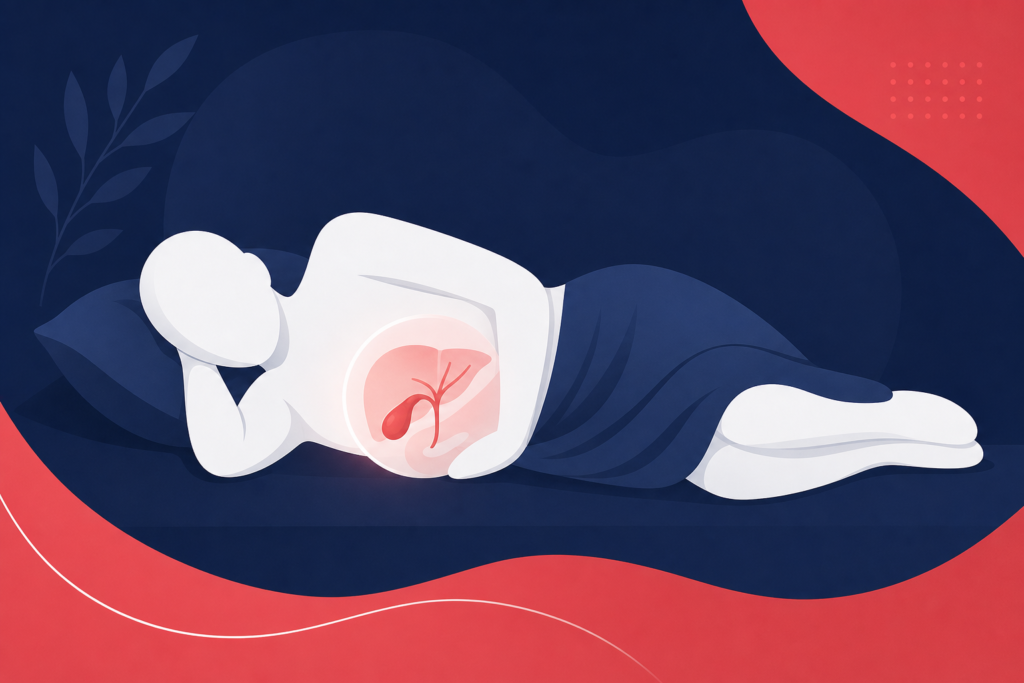
Persistent gallbladder pain, especially pain that worsens with alcohol consumption, warrants medical evaluation. Certain symptoms require prompt medical attention and should not be ignored.
Seek urgent medical care if you experience severe abdominal pain, fever, nausea and vomiting, yellowing of the skin or eyes, or pain that prevents you from finding a comfortable position. These symptoms may indicate serious complications that require immediate treatment.
For less severe but persistent symptoms, schedule a consultation to discuss your gallbladder health and explore appropriate treatment options. Early evaluation and management can help prevent complications and improve your quality of life.
Treatment Options for Gallbladder Conditions
Various treatment approaches are available for gallbladder conditions, ranging from lifestyle modifications to surgical interventions. The most appropriate treatment depends on the specific condition, severity of symptoms, and individual patient factors.
Conservative management may include dietary changes, medications to manage symptoms, and lifestyle modifications such as alcohol reduction. In cases where conservative treatment is insufficient, surgical options may be recommended.
Your healthcare provider will work with you to develop a treatment plan that addresses your specific needs and helps manage your symptoms effectively while considering your overall health and lifestyle preferences.
Understanding the relationship between alcohol and gallbladder pain is an important step in managing your digestive health. If you’re experiencing gallbladder symptoms that worsen with alcohol consumption, consider scheduling a consultation with Mr Thomas Satyadas to discuss your symptoms and explore appropriate treatment options for your individual situation.