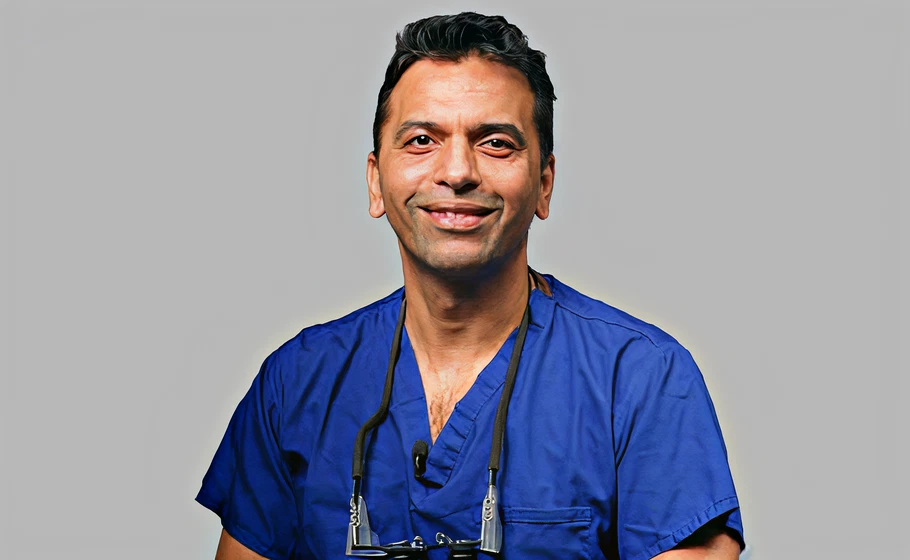
It is common to ask, “Why is my stomach bigger after gallbladder surgery?” Many patients feel concerned when they notice their abdomen looks or feels swollen after this procedure. This temporary enlargement is usually a normal part of your body’s healing process. The swelling typically improves over the first few weeks as you recover. Mr Thomas Satyadas, a Consultant General Surgeon with expertise in Hepato-Pancreato-Biliary (HPB) surgery in Manchester, has guided many patients through this recovery phase. Understanding the reasons behind this swelling can help you feel more confident and reassured about your post-operative experience.
This guide will explain the common causes of a bigger stomach after gallbladder surgery. You will find practical strategies to manage your symptoms. Learning what to expect during recovery can make your healing journey easier and less stressful. This article provides evidence-based information to help you understand your body’s response to surgery.
“This surgeon is decisive, a good communicator, considerate and kind. I would recommend him to anyone.”

Allison Hayes
What Causes a Bigger Stomach After Gallbladder Surgery?
After your gallbladder removal, you may notice your stomach appears or feels bigger. This is a common experience reported by many patients. Several physiological factors contribute to this temporary change in your abdominal appearance. Understanding these reasons can help you feel more confident in your recovery and reduce unnecessary worry.
Is It Normal for My Stomach to Swell After Gallbladder Surgery?
Yes, it is completely normal to experience some degree of abdominal swelling after gallbladder surgery. Your body requires time to heal following any surgical procedure, and swelling is a natural part of this process. Most patients find that the swelling gradually decreases over 2 to 3 weeks as the healing process progresses.1 This temporary enlargement is an integral part of the natural healing process and typically resolves without intervention.
Why Does My Stomach Look Bigger After Keyhole Surgery?
Keyhole surgery, medically known as laparoscopic cholecystectomy, is the most common method used to remove the gallbladder today. During this minimally invasive procedure, the surgeon carefully uses carbon dioxide gas to gently inflate your abdomen. This inflation provides the surgeon with a clear, expanded view of your internal organs, allowing for a precise, safe removal of the gallbladder. After the surgical procedure is complete, some of this carbon dioxide gas can remain trapped within your abdominal cavity. This residual gas can make your stomach feel noticeably bloated and appear visibly bigger than usual. This is a very common and expected reason for post-surgery swelling that affects the majority of laparoscopic surgery patients.2
What Are the Main Reasons for a Bigger Stomach After Gallbladder Surgery?
There are three primary physiological reasons why your stomach may appear bigger after gallbladder surgery. These main causes are residual gas from the procedure, your body’s natural inflammatory response, and temporary fluid retention. Each of these factors is a completely normal and expected part of the healing process. Understanding each cause individually can help you better manage your symptoms and recovery.
How Does Gas Affect My Stomach After Surgery?
During laparoscopic keyhole surgery, carbon dioxide gas is deliberately used to carefully expand the abdominal cavity. This expansion helps the gallbladder surgeon achieve optimal visibility of the surgical area and work with greater precision and safety. After the surgical procedure concludes, the surgeon typically removes as much of this gas as possible.
However, some carbon dioxide can remain trapped within your abdomen despite these efforts. This residual gas can cause noticeable bloating and mild to moderate discomfort in your stomach area. You may also experience some pain in your shoulder region, which is caused by the gas irritating on a nerve. This referred shoulder pain is a common side effect among patients. Fortunately, this is a temporary condition and usually resolves completely within a few days as your body naturally absorbs the remaining gas .
Why Does Inflammation Cause My Stomach to Swell?
Any surgical procedure triggers your body’s natural inflammatory response as part of the healing mechanism. This inflammation is actually your body’s intelligent way of protecting and repairing the tissues that were operated on during surgery. The inflammatory response causes swelling and mild tenderness around the incision sites as your body works diligently to heal. This temporary inflammation is a completely normal and expected part of the post-operative healing process. As your body progresses through the healing stages, the inflammation gradually decreases, and consequently, the swelling will also diminish. Most patients notice significant improvement in inflammation-related swelling within the 1st week to 10 days after surgery.1
Can Fluid Retention Make My Stomach Bigger?
Fluid retention is another common and important reason for a bigger stomach after gallbladder surgery. The anaesthesia administered during your operation and other medications given throughout the surgical process can sometimes cause your body to retain more fluid than usual. Additionally, reduced mobility during the immediate post-operative period can contribute to temporary fluid accumulation in your tissues. This can lead to a noticeable feeling of puffiness and a visibly bigger stomach. The good news is that this fluid retention is usually temporary and will naturally resolve as your body returns to its normal physiological rhythm and you gradually increase your activity level.3
Understanding Post-Cholecystectomy Syndrome
Some patients experience ongoing symptoms after gallbladder removal, a condition known as post-cholecystectomy syndrome. This condition affects approximately 5 to 30 percent of patients who undergo gallbladder removal, though the exact incidence varies in medical literature.2 Post-cholecystectomy syndrome can present early during the immediate post-operative period or develop months or even years after surgery. Common symptoms include fatty food intolerance, nausea, vomiting, heartburn, flatulence, indigestion, diarrhoea, and intermittent abdominal pain.
The removal of your gallbladder alters the normal flow of bile through your digestive system. Your gallbladder previously stored bile and released it in controlled amounts when needed for digestion. Without this reservoir function, bile flows continuously into your intestines, which can affect how your body processes certain foods, particularly fatty meals. This altered bile flow can contribute to bloating and diarrhoea in some patients. If you experience persistent symptoms beyond the normal recovery period, it is important to discuss this with your healthcare provider or gallbladder surgeon.2
What Can I Do to Reduce Stomach Swelling After Gallbladder Surgery?
While some abdominal swelling is normal and expected, there are several practical steps you can take to help reduce it and promote a smoother recovery. These simple but effective strategies can significantly improve your comfort during the healing process. Gentle activity combined with a healthy diet can make a meaningful difference in your post-operative experience.
How Can Gentle Movement Help?
Moving around as soon as you feel physically able is one of the most effective ways to help your body absorb residual gas and reduce bloating. Short, gentle walks around your home or garden can help stimulate your digestive system and encourage it to return to normal function. Light activity also promotes better circulation, which supports the healing process. However, it is crucial to avoid strenuous activity and heavy lifting for the first few weeks following your surgery. Your surgeon will provide you with specific guidance about what activities are safe for you to perform based on your individual circumstances and recovery progress.1
What Should I Eat to Help My Recovery?
Eating a healthy, balanced diet is fundamental to supporting your recovery after gallbladder surgery. In the first few days following your operation, you may find it easier and more comfortable to eat small, frequent meals rather than three large meals. This approach is gentler on your digestive system, as it helps it adjust to functioning without a gallbladder. Avoid fatty and greasy foods during your initial recovery, as your body may find these significantly harder to digest without the gallbladder’s bile storage function. Instead, focus on lean proteins, fresh vegetables, and whole grains. Drinking plenty of water throughout the day is also beneficial, as adequate hydration can help reduce fluid retention and prevent constipation, which is common after surgery.1
Managing Pain and Discomfort
Taking prescribed painkillers as directed by your surgeon can help manage post-operative discomfort effectively. Do not hesitate to use pain relief medications as needed during your recovery, as managing pain allows you to move around more comfortably and participate in gentle activities that promote healing. Your surgeon will provide specific instructions about which medications are appropriate and how frequently you can take them safely.
When Should I Be Concerned About My Stomach Being Bigger After Gallbladder Surgery?
While most abdominal swelling after gallbladder surgery is normal and temporary, there are certain warning signs that warrant medical attention. You should contact your doctor or healthcare provider if you experience severe abdominal pain that does not improve with prescribed painkillers. A high fever or elevated body temperature can indicate a possible infection that requires prompt medical evaluation. If the swelling in your stomach gets progressively worse rather than improving, this could signal a complication. Additionally, if you develop signs of infection such as increased redness, warmth, or discharge from your incision sites, seek medical advice immediately.
Other concerning symptoms include persistent nausea and vomiting that prevent you from keeping food or fluids down, or if you notice yellowing of your skin or eyes, which could indicate a bile duct issue. If you experience severe shoulder pain that persists beyond a few days, this warrants discussion with your surgeon. These symptoms could indicate complications that require professional medical attention and evaluation. It is always better to err on the side of caution and seek advice if you are worried about any aspect of your recovery.
Mr Thomas Satyadas, a specialist gallbladder surgeon in Manchester, is experienced in managing both straightforward recoveries and complex post-operative situations. If you have any concerns about your recovery or experience unusual symptoms, it is important to contact your healthcare provider or surgeon promptly for professional assessment and guidance.
Recovery Timeline: What to Expect
Understanding the typical recovery timeline can help you set realistic expectations for your healing process. In the immediate post-operative period, swelling is usually at its peak. During the first week after surgery, you may experience the most noticeable bloating and discomfort. By the end of the first week to 10 days, most patients notice significant improvement in their symptoms. Within 2 to 3 weeks, the majority of swelling typically resolves, and patients feel substantially better.2 Most people can return to work within 1 to 2 weeks, depending on the nature of their work and their individual recovery progress. You should avoid heavy lifting and strenuous exercise for approximately 4 weeks following your operation.1
Lifestyle Tips for Optimal Recovery
Beyond managing swelling specifically, several lifestyle adjustments can support your overall recovery. Ensure you have someone available to drive you home from the hospital and stay with you for at least the first 24 hours. Arrange for help with household tasks during the first week, if possible, so you can focus on resting and healing. Wear loose, comfortable clothing that does not put pressure on your incision sites. Sleep with your head elevated on pillows to help reduce swelling. Avoid prolonged bed rest, as gentle movement is beneficial for recovery. Follow all wound care instructions provided by your surgical team carefully.
Conclusion
Asking “Why is my stomach bigger after gallbladder surgery?” is a completely understandable concern shared by many patients. The good news is that this swelling is usually a temporary and normal part of the healing process. The main causes of abdominal enlargement are residual carbon dioxide gas from the laparoscopic procedure, your body’s natural inflammatory response, and temporary fluid retention. By following your surgeon’s advice, taking gentle care of yourself, and gradually increasing your activity level, you can help reduce swelling and achieve a smooth recovery. Remember to seek medical advice if you have any concerns about your symptoms or notice warning signs of a complication. With patience and proper self-care, most patients return to their normal activities feeling significantly better within a few weeks.